CLIMATE
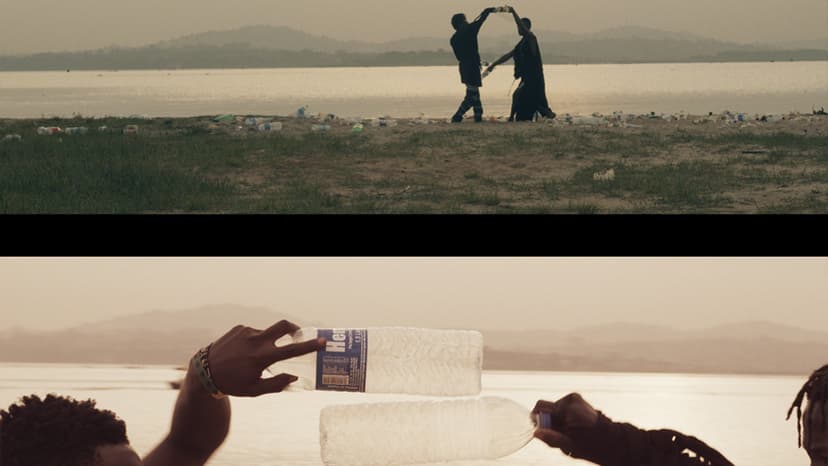
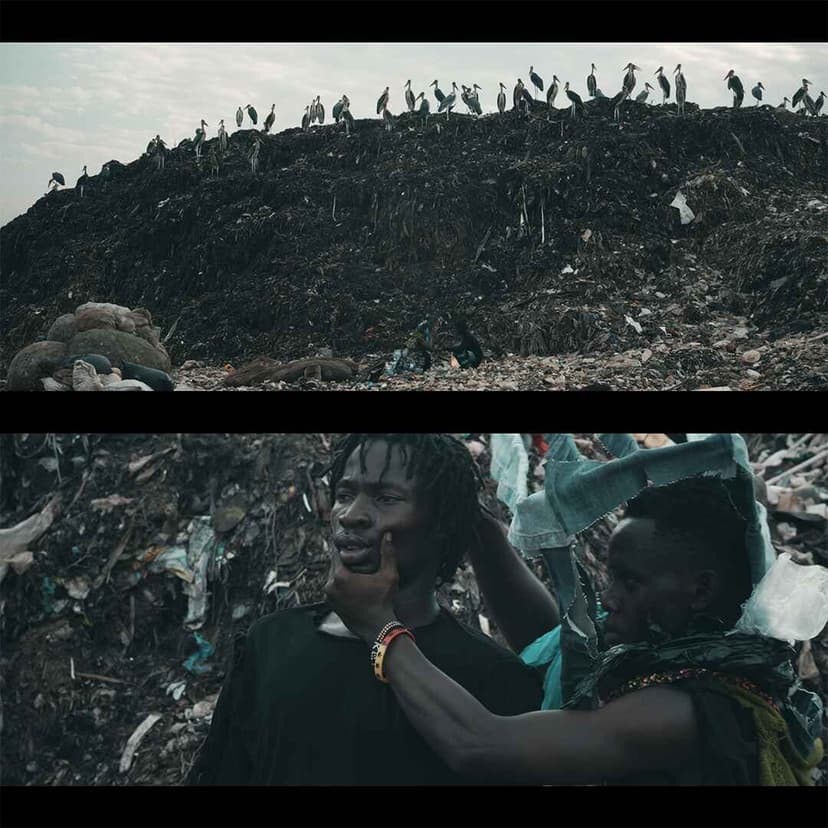
At IGC, we recognize the urgent environmental challenges facing the world, due to the global fashion industry. Fast fashion is disproportionately contributing to carbon emissions, water pollution, deforestation and worse. In Uganda, waste colonialism compounds these issues further. Waste Colonialism is the practice of 'developed' nations exporting their waste, including fast fashion items, to less 'developed' countries, often under the guise of donations or trade. Annually, 80,000 tonnes of second-hand clothing are imported, with huge swathes of theses clothes being incinerated or dumped - polluting the air, waterways, land and bodies. Alongside rapid deforestation at a rate of 3% per year and widespread neglect of climate-related issues, the environment is in need of urgent care in Uganda.

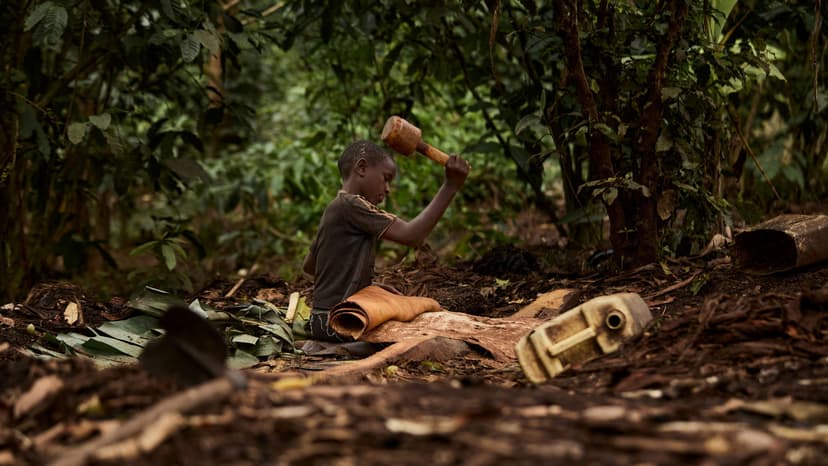
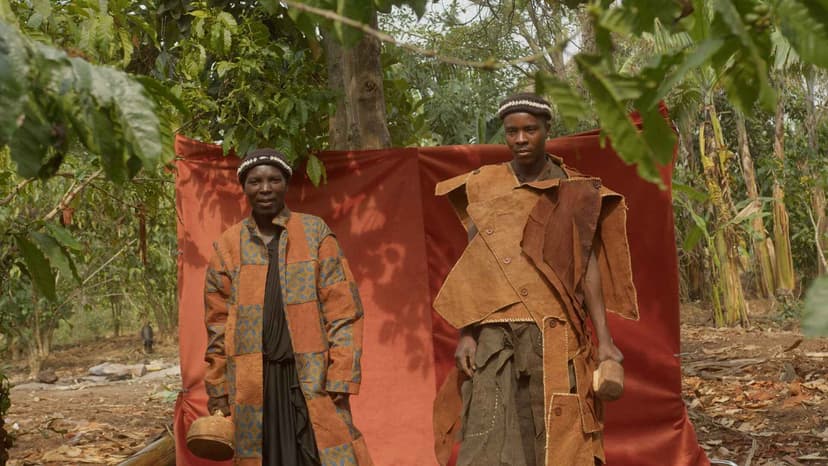
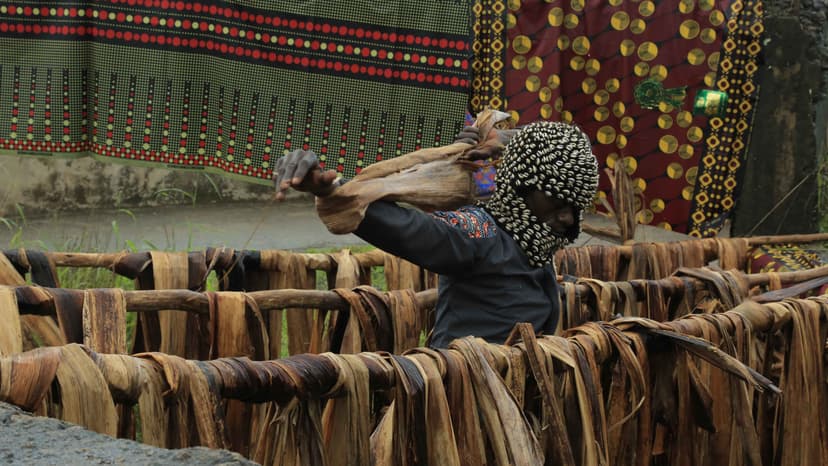
Alongside upcycling from Uganda’s largest secondhand market, Owino, IGC garments centre on regenerative materials. At the heart of this is Lubugo (barkcloth), a hand-crafted textile made from the inner bark of the Mutuba tree. Harvested without cutting or harming the tree, it can be sustainably regrown for a century. Entirely chemical- and carbon-free, a 1x5m piece of Lubugo uses just 0.025% of the water needed for one pair of denim jeans, while the tree itself nourishes ecosystems of coffee, bananas, beans, and more. Overall, the production of Lubugo (barkcloth) has unparalleled benefits on the environment and is arguably one of the world’s most eco-friendly textiles.
"Waste colonialism is 70% of donated clothing worldwide ending up in Africa - the majority unusable and discarded. "
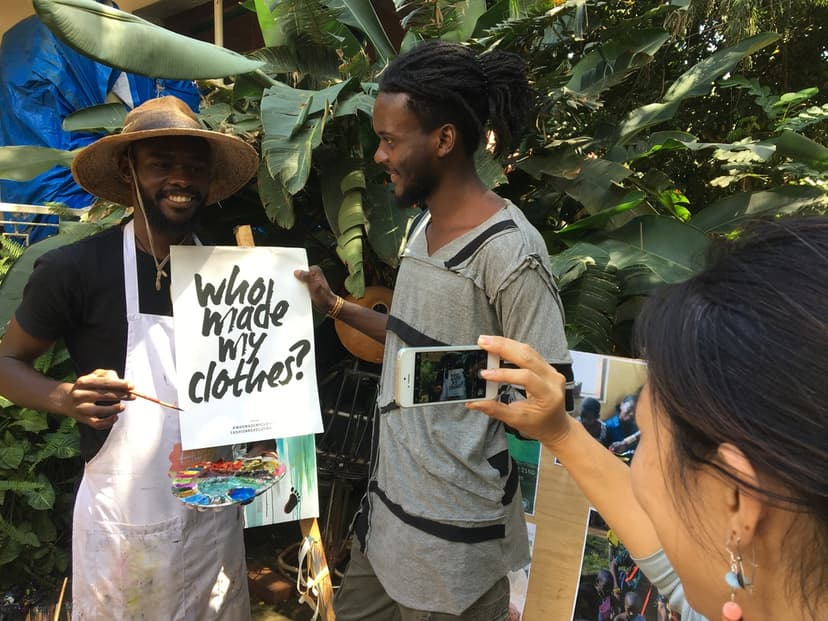
Yet, 'sustainability' is more than material choices. For us, it means re-inventing the fashion industry as we know it - finding new ways of producing and consuming. In our commitment to creating a community-led circular ecosystem, we are invested in a combination of education, research, and direct action with communities on the frontlines of the climate crisis. Through Fashion Cypher residencies and workshops, we teach circular design and regenerative practices, while Kwetu Kwanza, Uganda’s largest sustainable fashion festival, platforms artists and designers redefining sustainability in Africa and beyond.